Finding Harmony Through Colour - 5 Tips to Create Your Dream Space
As an artist and interior stylist, I love how colour transforms the way how we feel and experience a space. It’s not just about aesthetics — it’s about emotion, atmosphere and finding the harmony.
We’ve all heard about warm versus cool tones, but what does that really mean for your interiors?
It’s a common misconception that all yellows and reds are warm while all blues are cold. The truth is subtler. For instance, cobalt blue has a slightly warmer hue, while ultramarine is much colder. Similarly, golden yellow feels rich and warm, whereas lemon or lime yellow leans cool. Red and orange sit firmly on the warm side, while magenta and purple carry cool undertones.
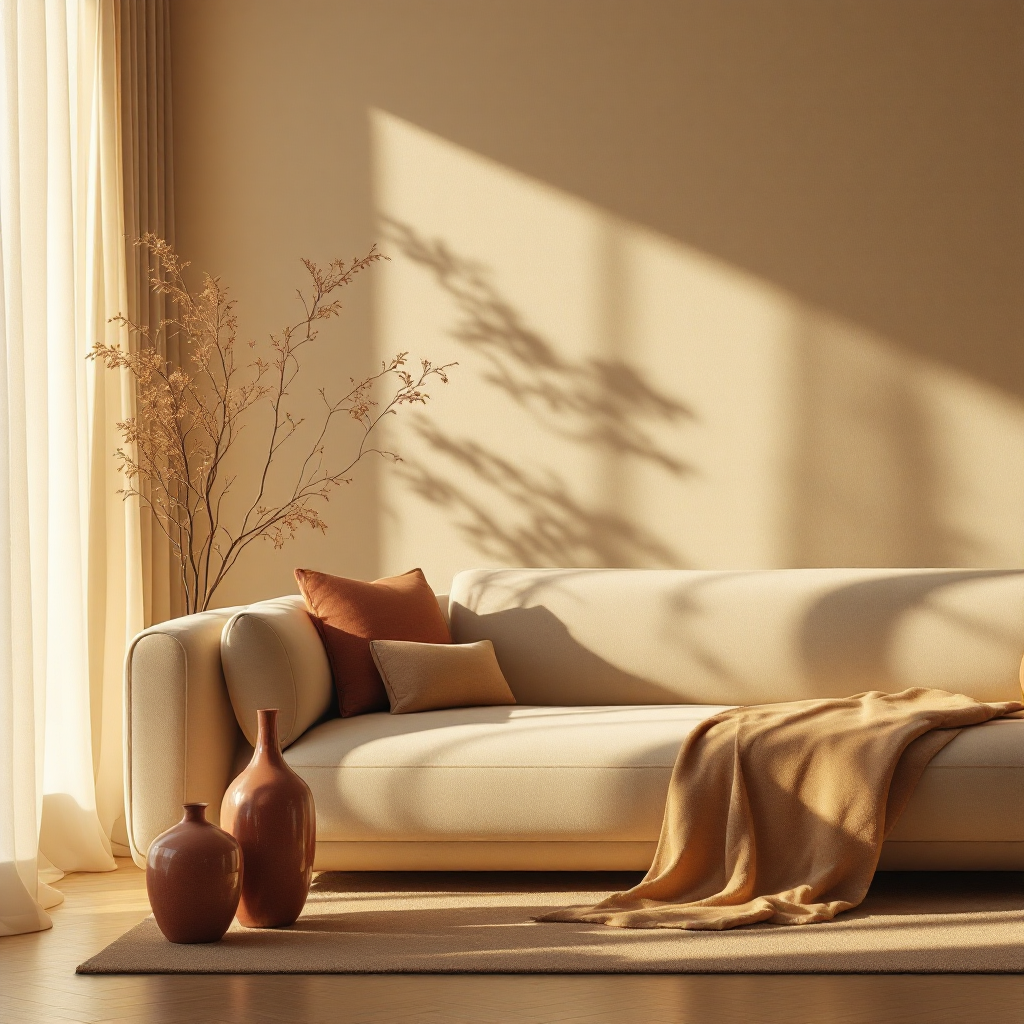
Warm tones tend to evoke energy, comfort, and a welcoming atmosphere. Cool hues, on the other hand, bring calm, serenity, and a sense of spaciousness. Choosing the right balance is ultimately a matter of personal taste — but there are a few guiding principles that can help your interiors truly shine.
Tip 1 — Consider the Room’s Orientation
North-facing rooms usually receive cooler, crisp light, which can make cold tones appear even chillier. To balance this, use warmer colours — even if you’re after a tranquil mood.
South-facing rooms get bright light all day, which enhances any tone beautifully, while west-facing rooms glow with warm afternoon light, making even cooler hues appear more inviting.
You can also play with lighting temperature: bulbs rated 2000–3000K emit warm, golden light, while 4000K and above feel cooler, with 5000–6500K mimicking daylight.
Tip 2 — Mix Colours Confidently
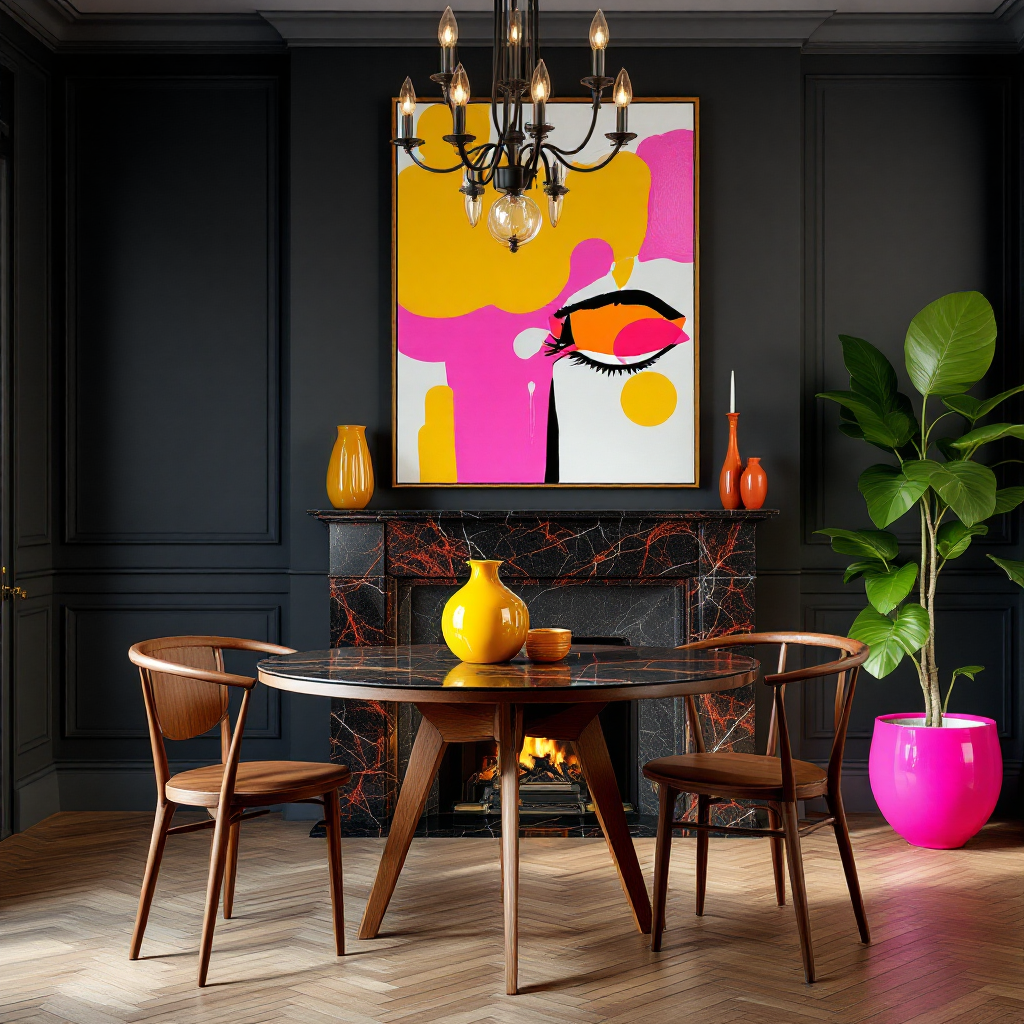
Don’t be afraid to mix several colours within one space. While your scheme might be anchored by one or two main tones, introducing accents from the opposite side of the colour wheel adds depth and visual interest. These contrasts can make a space feel more dynamic and layered.
Tip 3 — Mind the Textures and Finishes
The same colour can look very different on matte versus glossy surfaces. Avoid using too many finishes of the same type — for example, if your walls are matte and your floors are aged wood, consider using satin or semi-gloss paint for the woodwork to introduce subtle highlights.
Remember that finish also affects maintenance: matte surfaces are beautiful but less forgiving, while glossier ones are easier to clean.
The same applies to furnishings and décor — balance materials like wood, metal, glass, ceramics, and plants to create harmony. Far Eastern philosophies like Feng Shui may approach design differently, but they share the same goal: a balanced and harmonious space.
Tip 4 — Colour and Wellbeing
Colour can powerfully influence mood and energy. Without diving too deeply into colour psychology, here are a few simple guidelines:
• Red is stimulating and energising — perfect for living, dining, or workout areas, but best avoided in bedrooms.
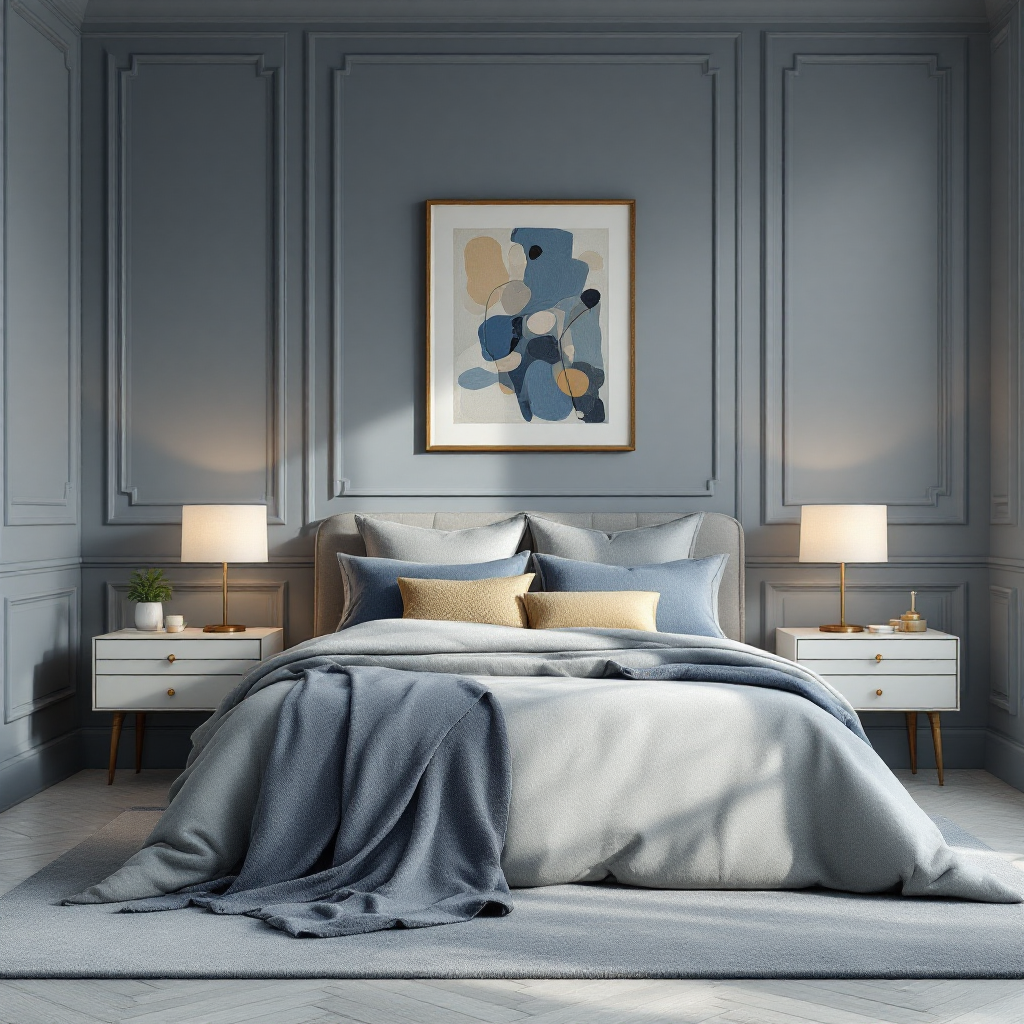
• Blue is calming and restorative, ideal for bedrooms — though in north-facing rooms, a slightly warmer tone might feel cosier.
Tip 5 — The Many Shades of Grey
Grey is often misunderstood. True “architectural grey” is just black and white mixed in different proportions — but greys created by mixing blue, red or magenta, yellow, and white have complex undertones.
When using grey as a dominant colour, pay attention to its undertone and match it with secondary colours that share the same warmth or coolness.
If you’d like help finding the perfect palette or creating a unique atmosphere for your home, I’d love to collaborate. Each colour story begins with understanding how you want your space to feel. Please check our styling packages and book a free discovery call.